
The Future of Education Is Digital: Are You Ready?
1. The Digital Revolution in Education
The world of education is evolving faster than ever before. Gone are the days when students relied solely on physical classrooms and textbooks. Today, digital learning is transforming how people acquire knowledge and develop skills. From virtual classrooms to AI-powered tutoring, technology has become the driving force behind modern education. The future of learning is digital, and adapting to it is no longer optional — it’s essential for success.
2. Accessibility and Flexibility of Online Learning
One of the greatest benefits of online education is accessibility. Students from anywhere in the world can access quality education without the limitations of geography. Whether you are a high school student, a college learner, or a working professional, digital platforms offer flexible schedules that fit your lifestyle. You can learn at your own pace, revisit materials, and take control of your educational journey.
3. Personalized Learning Through Technology
With advanced analytics and artificial intelligence, personalized learning has become a reality. Digital tools can track your progress, identify weaknesses, and recommend tailored lessons. Unlike traditional classrooms, online platforms adapt to individual learning styles, making the process more efficient and enjoyable. Students no longer need to follow a one-size-fits-all approach; instead, they receive targeted instruction based on their unique needs.
4. Interactive and Engaging Content
The digital era has made learning more interactive than ever before. Videos, simulations, quizzes, and gamified lessons keep learners engaged and motivated. Visual content not only improves understanding but also enhances memory retention. E-learning platforms are integrating multimedia tools to make complex topics easier to grasp and more enjoyable to explore.
5. Global Learning Communities
Another exciting aspect of digital education is its power to connect learners globally. Online classrooms allow students from different cultures and backgrounds to collaborate, share ideas, and build networks. This exposure fosters creativity, empathy, and global awareness — skills that are essential in the modern workforce. The future classroom isn’t confined by walls; it’s an interconnected world of digital minds.
6. The Role of Artificial Intelligence in Education
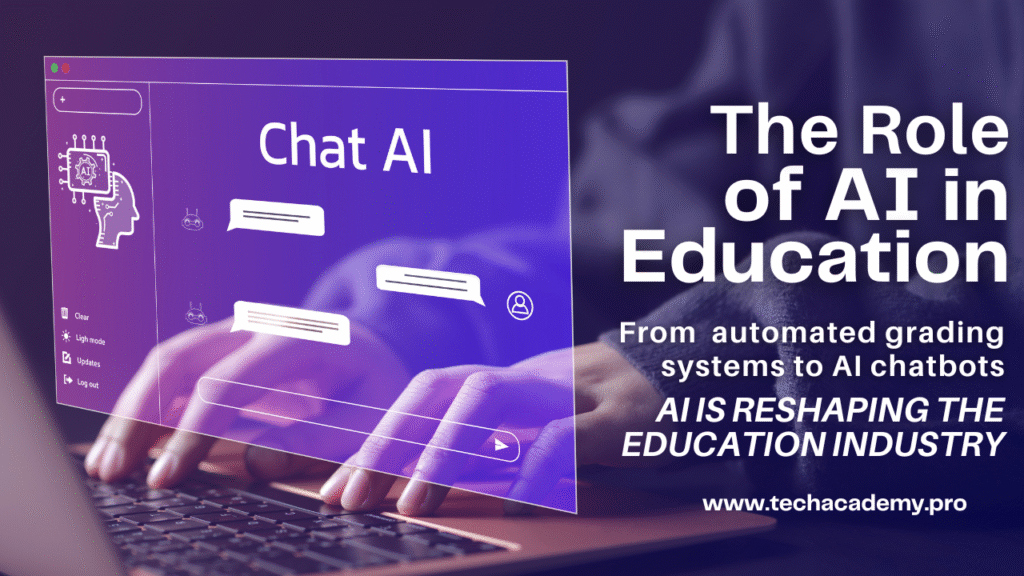
Artificial Intelligence (AI) is reshaping the education industry. From automated grading systems to intelligent chatbots that assist students, AI ensures faster and smarter learning experiences. AI can analyze student behavior and provide instant feedback, allowing for real-time performance improvement. As AI-driven learning evolves, it promises to create smarter, data-driven classrooms where every learner thrives.
7. The Growth of EdTech Platforms
EdTech, short for Educational Technology, is booming worldwide. Platforms like Coursera, Udemy, and TechGroomers Academy are changing how people learn new skills and earn certifications. These platforms offer structured courses in coding, design, marketing, and more — accessible to anyone with an internet connection. EdTech innovation is the backbone of the digital education era, making lifelong learning possible for everyone.
8. Preparing Students for the Digital Economy
The digital economy demands a workforce skilled in technology, critical thinking, and problem-solving. Traditional education systems often struggle to keep up with the pace of innovation. However, digital training programs are bridging that gap by offering industry-relevant courses that prepare students for real-world challenges. Learning coding, data analytics, and digital marketing is now as essential as math and science once were.
9. The Role of Instructors in the Digital World
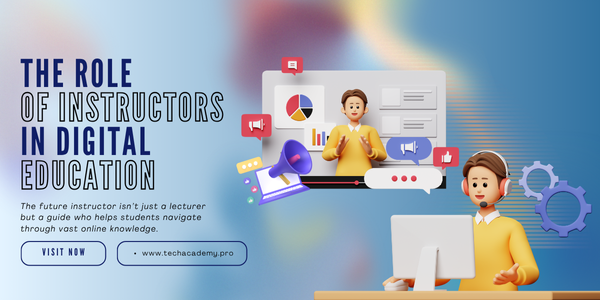
Teachers remain at the heart of education, but their roles are evolving. In the digital age, instructors are becoming facilitators, mentors, and content creators. They use online tools to enhance their teaching and connect with students in innovative ways. The future educator isn’t just a lecturer but a guide who helps students navigate through vast online knowledge.
10. Overcoming Challenges in Digital Education
Despite its benefits, digital learning comes with challenges. Not every student has access to reliable internet or digital devices. Distractions and lack of physical interaction can also affect motivation. However, institutions are addressing these issues by offering hybrid models and developing digital literacy programs that help learners adapt smoothly to online environments.
11. The Rise of Virtual Reality in Learning
Virtual Reality (VR) and Augmented Reality (AR) are revolutionizing education by offering immersive experiences. Students can explore virtual labs, historical events, and even outer space through digital simulations. These technologies enhance engagement and make abstract concepts tangible. The integration of VR learning is turning imagination into reality, redefining the future of classrooms.
12. Lifelong Learning: The New Normal
In the modern world, learning doesn’t end with a degree. The concept of lifelong learning is gaining importance as industries evolve rapidly. Professionals must continuously upgrade their skills to stay relevant. Online academies and digital platforms have made this possible by offering flexible, affordable, and updated training programs that align with industry trends.
13. Digital Certificates and Career Opportunities
Digital certification is now recognized globally by employers. Online credentials validate your expertise and give you a competitive edge in the job market. Whether you complete a course in web development, graphic design, or data science, digital certificates prove your commitment to growth. The future workforce values skills over degrees, and online education is the pathway to demonstrating those skills.
14. The Future Classroom: A Blend of Technology and Humanity
The classroom of the future will blend technology with human connection. Artificial intelligence, data analytics, and automation will make learning smarter, but empathy, creativity, and emotional intelligence will remain vital. Institutions must strike a balance between digital efficiency and human interaction to create holistic educational experiences.
15. Are You Ready for the Digital Future?
The shift toward digital education is unstoppable. Whether you are a student, educator, or parent, embracing technology is the key to staying ahead. The future belongs to those who adapt, learn, and grow continuously in a digital-first world. At TechGroomers Academy, we empower learners to unlock their potential through modern, practical, and interactive learning experiences. The question isn’t whether education will go digital — it already has. The real question is: Are you ready to be part of it?