
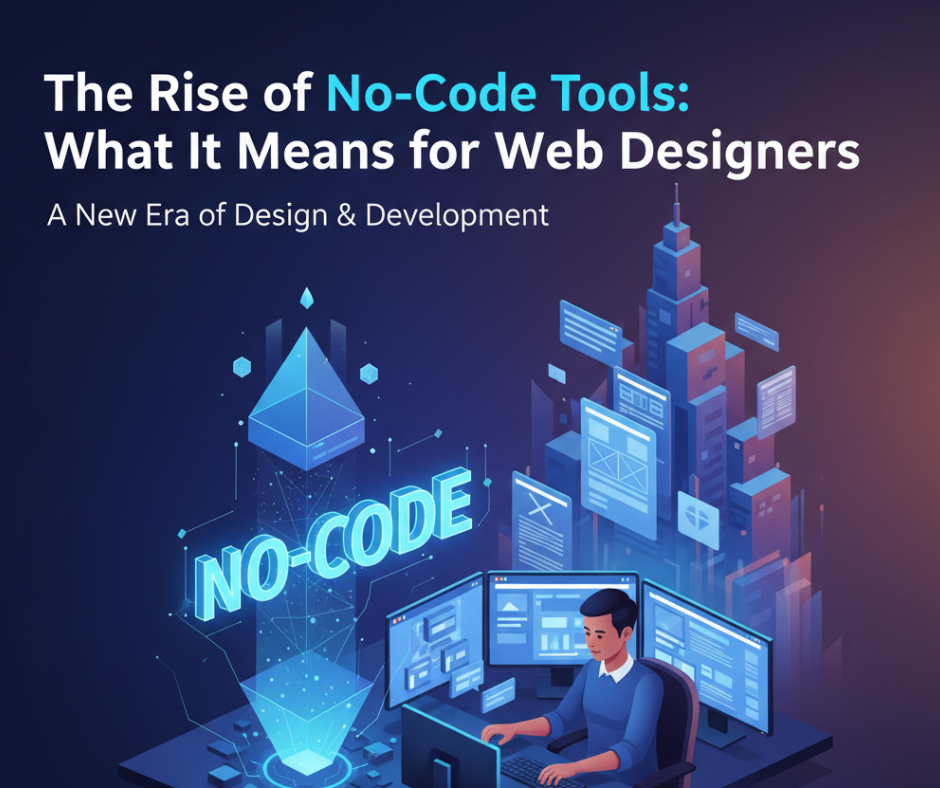
The Rise of No-Code Tools: What It Means for Web Designers
Web design is evolving fast — and one of the biggest game-changers today is the rise of no-code tools. Platforms like Webflow, Wix Studio, Framer, and Bubble allow users to design and launch websites without writing a single line of code. This shift has opened the door for entrepreneurs, small businesses, and creators to build online presences more quickly and affordably.
But what does this trend mean for professional web designers? Should they feel threatened — or empowered?
Let’s explore how no-code tools are reshaping the web design industry.
✅ 1️⃣ More Opportunities, Not Less
Instead of eliminating the need for designers, no-code tools have actually expanded the market.
Businesses that never had the budget for custom-coded websites can now afford:
- Professional templates
- Design guidance
- Brand-focused web experiences
Designers now serve a much larger audience than before.
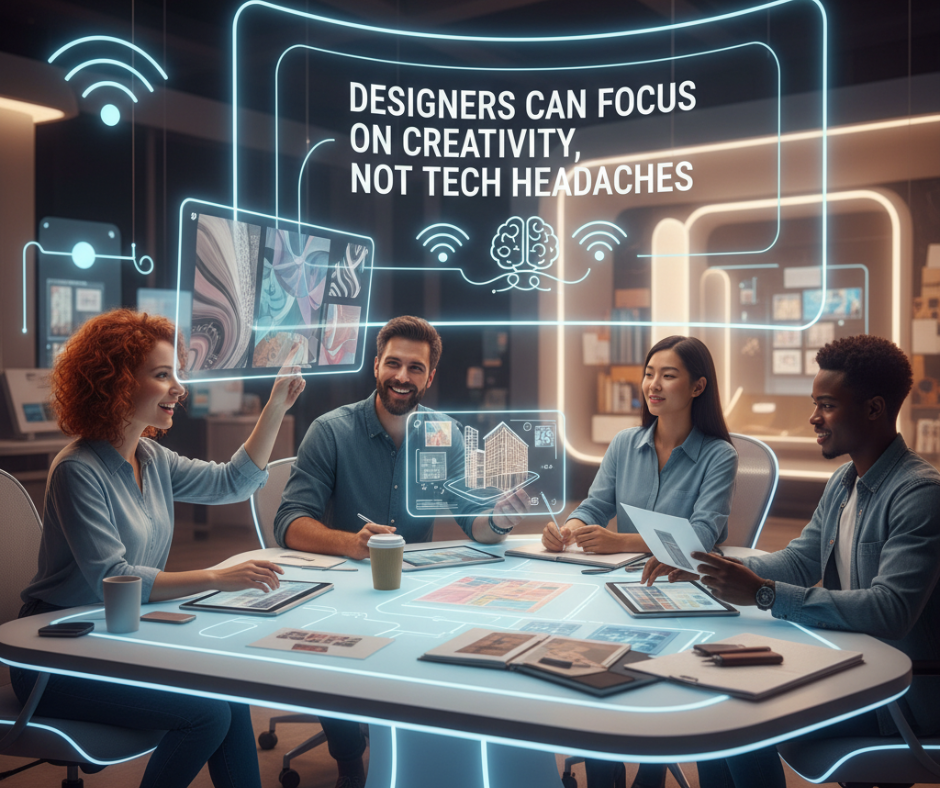
✅ 2️⃣ Designers Can Focus on Creativity, Not Tech Headaches
Traditional development demands:
- Hosting setup
- Plugin updates
- CMS maintenance
- Browser compatibility fixes
With no-code platforms handling the technical side, designers can focus on:
✨ UX
✨ Visual identity
✨ Interaction design
✨ Content experiences
This leads to faster workflows and better creative output.
✅ 3️⃣ Faster Project Delivery = Higher Earnings
A site that once took 8–12 weeks can now be done in 2–4 weeks — without compromising quality.
Result?
- More projects per month
- More satisfied clients
- More revenue in less time
No-code tools increase efficiency while maintaining professional pricing.
✅ 4️⃣ Designers Become Digital Consultants
Clients now expect more than just design — they want:
- SEO setup
- E-commerce workflows
- CRM & automation
- Hosting and performance consulting
With no-code platforms integrating all of this, designers evolve into full-service providers.
✅ 5️⃣ Technical Skills Still Matter
No-code doesn’t replace knowledge — it enhances it.
Designers still benefit from:
- HTML/CSS basics
- UX/UI principles
- Accessibility standards
- Responsive behavior
- Branding strategy
Those who blend creativity + tech understanding remain in highest demand.
🚀 The Future: Hybrid Designers Win
The best web designers today are no-code power users who also understand traditional development when needed.
Instead of fearing the rise of no-code, designers should:
✅ Learn top platforms like Webflow, Framer & Wix Studio
✅ Offer strategy-driven services
✅ Build scalable design systems
✅ Focus on user-centric outcomes
No-code is not the end of web design — it’s the next chapter.
🎯 Final Thought
No-code tools are democratizing the web — making it easier for anyone to build a website. But it still takes a skilled designer to create a website that converts.
The future belongs to designers who adapt — the ones who embrace innovation and use these tools to elevate their craft.